
THERAPY FOR grief & loss IN RENO, NV
Helping you navigate loss, stay connected to what matters, and find meaning in what comes next.
“I don’t know how I’m supposed to move forward.”
Maybe this is the most painful thing you've ever experienced. Your world feels unrecognizable. The dark clouds follow you everywhere, and some days it takes everything you have just to get through the day. The life you knew is gone, and you're not sure who you are without the person, relationship, or future you've lost. Everywhere you go, and everything you do reminds you of what has changed.
You may feel angry, heartbroken, numb, overwhelmed, disconnected, or completely exhausted from carrying so much pain. Everyone around you seems to expect you to be doing better by now, but you're left wondering: How? How can life feel good again? How am I supposed to keep going when I've lost so much?
And sometimes, this loss doesn't come alone. It opens the door to every other loss or pain you've ever experienced before this—bringing emotions to the surface that have been waiting years to be felt.

You don’t need to leave your grief behind.
We’re doing the work of understanding how to carry your love forward.

Grief has many faces.
Most people think of grief as something that happens after a death. But grief can step into the picture anytime we lose someone, something, or some version of life that mattered deeply to us.
You may be grieving:
The death of a loved one
A divorce or significant relationship ending
A betrayal that changed everything
A major life transition
Family estrangement
The loss of a dream, identity, or future you imagined
Changes in health, ability, or circumstances
Grief is not a reflection of weakness.
It's a reflection of love, attachment, hope, and the significance of what was lost.
My Approach
I believe grief and loss deserve to be honored, not rushed.
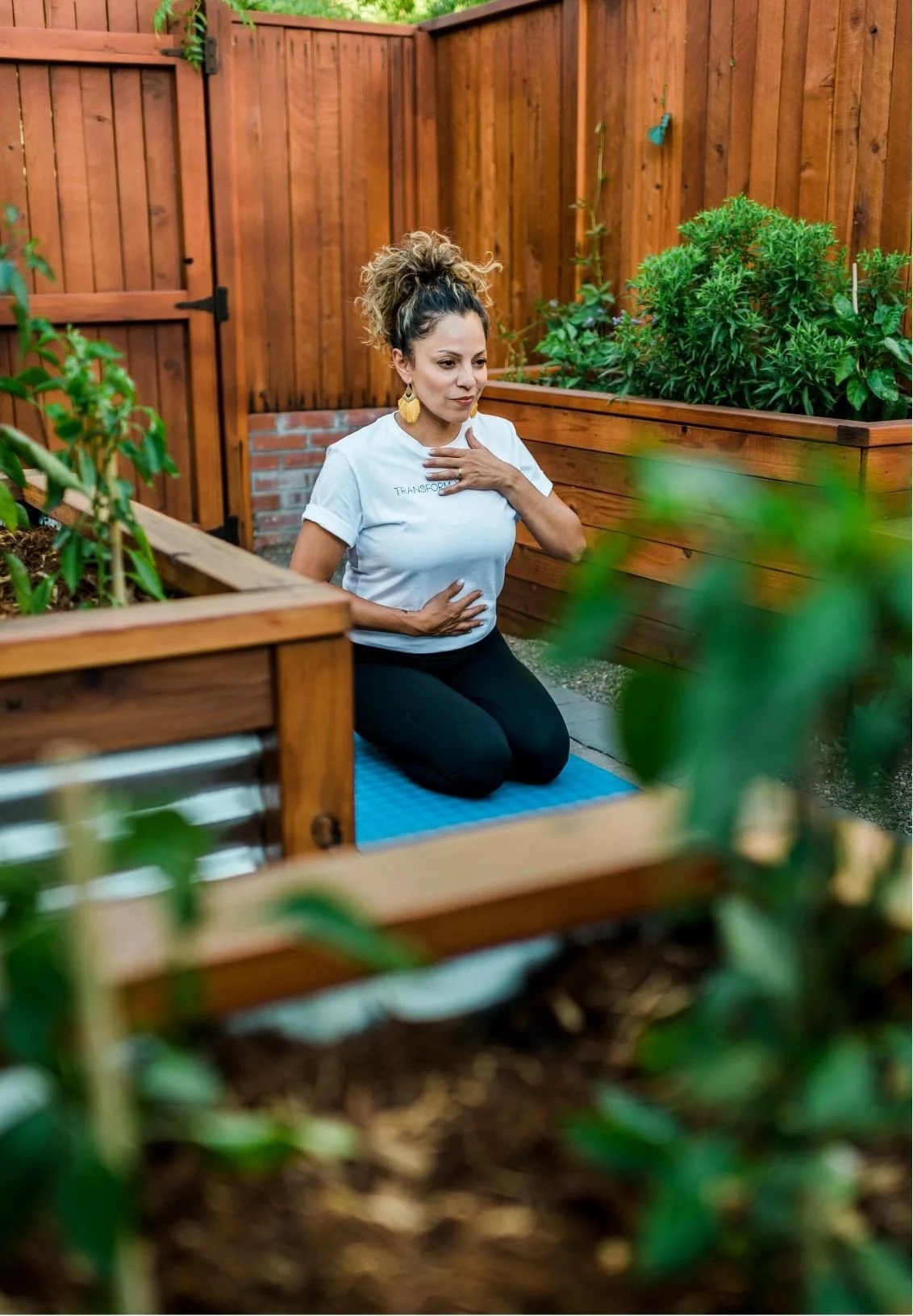
When we first begin working together, my focus is on understanding your story, your loss, and the unique relationship you have with your grief. We move slowly and intentionally, creating a space where you feel supported enough to bring all of yourself into the room—the heartbreak, the anger, the confusion, the love, and everything in between.
As trust develops, we'll begin exploring what your grief is asking of you. We'll make space for the emotions, memories, questions, and experiences that arise while helping you build the capacity to stay connected to yourself through them. Depending on your needs, I may incorporate EMDR, Somatic Therapy, mindfulness, meditation, nervous system work, and holistic or psycho-spiritual approaches to support healing on emotional, physical, and spiritual levels.
This work isn't about "moving on."
Instead, we focus on how to carry your grief while remaining connected to yourself, your life, and the love that still exists beneath the pain. One of the greatest fears many grieving people carry is the fear of losing their connection to the person they love. But healing does not require you to leave that relationship behind. In fact, many people find that grief becomes less about letting go and more about discovering a new way of staying connected.
Together, we'll create space to honor your loved one, explore the bond that continues to live within you, and find meaningful ways to carry that forward.
Therapy for grief & loss can help you…
Feel more able to access and move through your emotions
Learn how to carry your grief without feeling consumed by it
Develop a greater capacity for both pain and joy
Feel more connected to yourself and your inner wisdom
Build a different relationship with the person or life you've lost
Give yourself more grace and compassion
Embrace your own spirituality and find meaning within the chaos
Learn how to ask for support and lean into community

There is no “right” way to grieve.
There is only your way.
FAQs
COMMON QUESTIONS
-
Very normal. Many people fear that moving forward means leaving their loved one behind or somehow minimizing the importance of the relationship. Healing does not require you to stop loving, missing, or remembering the person you've lost. Both grief and joy can exist at the same time.
-
Yes. When a loss involves sudden death, an accident, suicide, homicide, medical trauma, or distressing circumstances surrounding the death, grief can become intertwined with trauma. In these situations, I may incorporate approaches such as EMDR, Somatic Therapy, and nervous system work to help process both the grief and the traumatic aspects of the loss.
-
Many grieving people worry that joy has disappeared forever. While life may never look exactly the same, it is possible to experience moments of peace, connection, meaning, and even joy again. Part of grief work is learning how to make room for both love and loss, pain and hope.
-
Absolutely. Grief can emerge after any significant loss, including divorce, betrayal, family estrangement, infertility, health changes, career transitions, relocation, or the loss of a future you once imagined. If something important to you has been lost, your grief deserves support and care.
-
Grief and loss are primary specialties of my practice and the area in which I have done some of my deepest work. I support individuals navigating death loss, traumatic grief, divorce, betrayal, attachment loss, family estrangement, and other life-altering transitions.
Over the years, I've worked with clients carrying every kind of grief—from fresh, devastating loss to losses that have remained unresolved for decades. My approach combines warmth, clinical expertise, intuition, and a variety of evidence-based and holistic modalities to help clients honor their grief, stay connected to what matters most, and gradually rebuild life after loss.
-
Absolutely. The intensity of grief may change over time, but significant losses can continue to impact us for years. Many people seek therapy long after a death or major loss because something still feels unresolved, unprocessed, or difficult to carry alone.
-
Absolutely. One of the greatest misconceptions about grief is that healing requires us to let go of the people we love. I believe our relationships can continue to evolve long after a person's death, and together we can explore meaningful ways to honor and maintain that connection.
I use holistic and psycho-spiritual approaches that create space for questions of meaning, spirituality, continuing bonds, and connection after loss. You can learn more HERE.